The History of Goju-Ryu Karate

Discover the rich heritage of Goju-Ryu, from its origins in Okinawa to the founding of GKI and our continued dedication to preserving authentic traditional karate.

The Roots: Okinawan Martial Arts

Karate's origins lie in the indigenous fighting arts of Okinawa, which were influenced by Chinese martial arts through centuries of trade and cultural exchange.

The island of Okinawa, situated between Japan and China, became a melting pot of martial traditions. Local Okinawan fighting methods, known as "te" (hand), merged with Chinese kung fu styles to create the foundation of what would become modern karate.

During the Ryukyu Kingdom era (1429-1879), weapons were banned on the island, leading the Okinawan people to develop sophisticated empty-hand combat techniques for self-defense. These methods were practiced in secret and passed down from master to student through oral tradition and direct instruction.
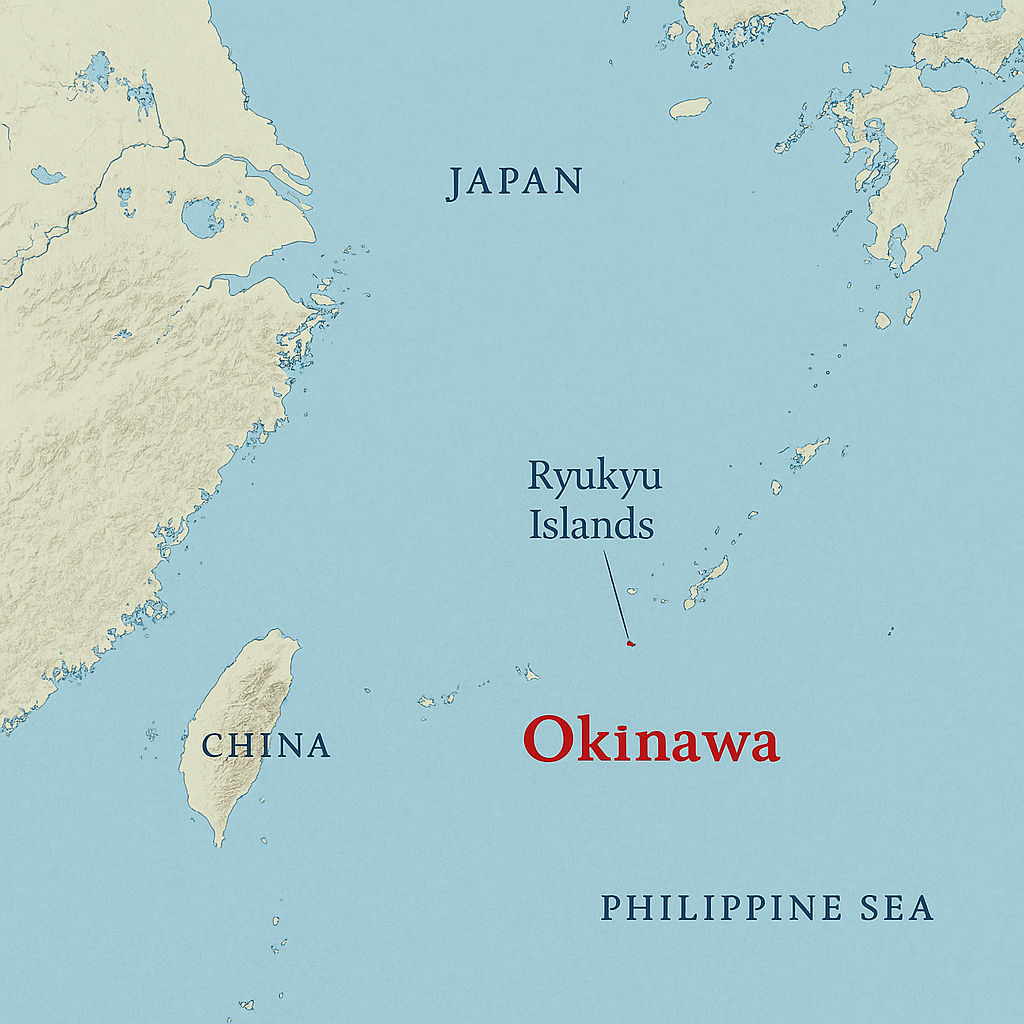
Historical Okinawa

Okinawa: The Birthplace of Karate

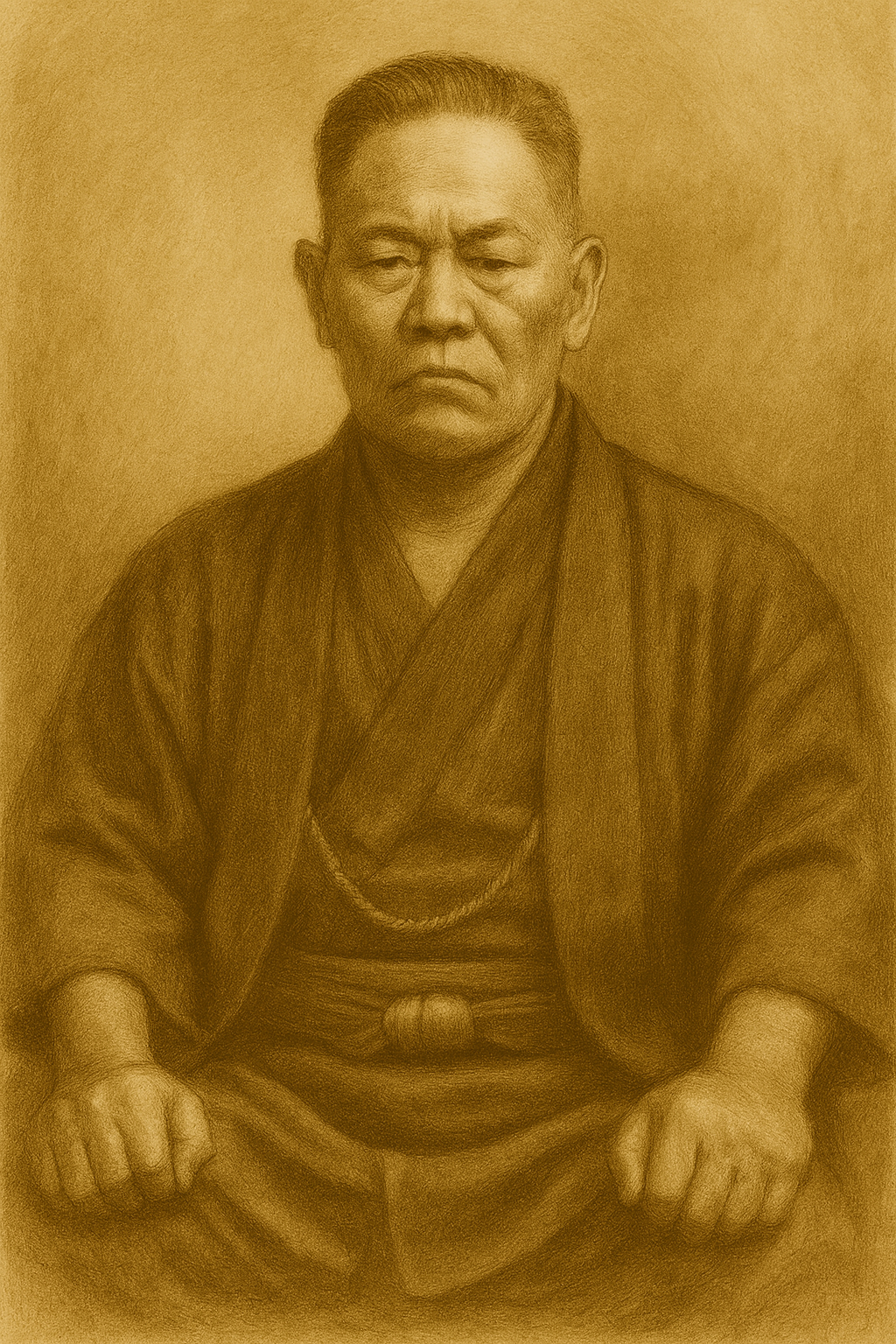
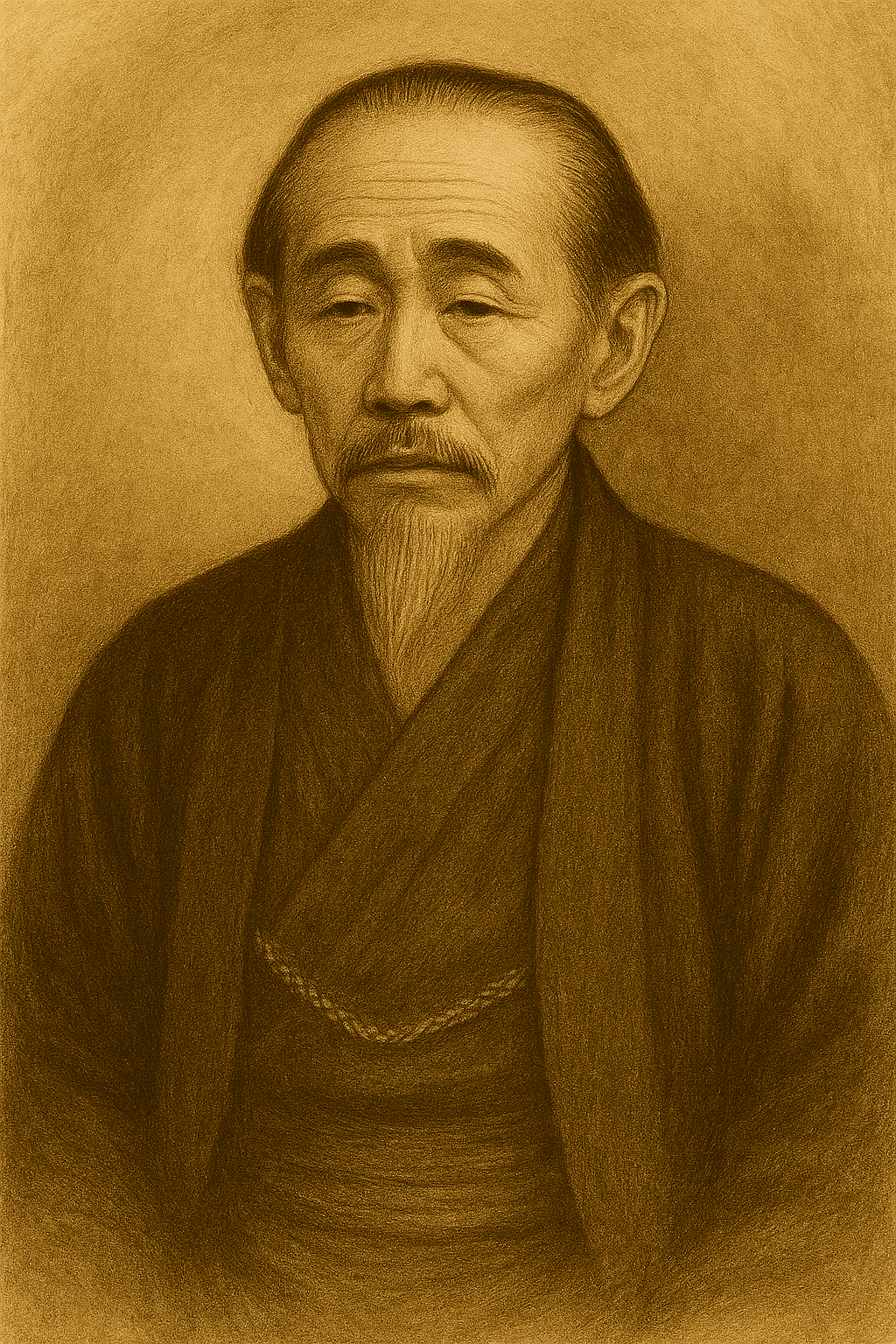
Kanryo Higaonna (1853-1915)

The Foundation of Naha-Te

Kanryo Higaonna

Kanryo Higaonna - "Kensei" (Fist Saint)

Known as "Kensei" (Fist Saint), Kanryo Higaonna is recognized as one of the most influential figures in the development of Okinawan karate.

Early Training

Higaonna began his martial arts training in Naha, Okinawa, studying the local te (hand) fighting methods. His dedication and natural talent quickly became apparent to his instructors.

Journey to China

In his youth, Higaonna traveled to Fuzhou, Fujian Province, China, where he studied Chinese martial arts for many years. He trained in White Crane boxing and other southern Chinese systems, learning both the hard external methods and the soft internal techniques.

Return to Okinawa

Upon returning to Okinawa, Higaonna synthesized his Chinese training with Okinawan methods, developing what became known as Naha-te. His teachings emphasized:

  • Deep breathing techniques (ibuki)
  • Close-range fighting
  • Circular blocks and strikes
  • Development of internal power

Higaonna's most famous student was Chojun Miyagi, who would go on to formalize the style as Goju-Ryu.

Chojun Miyagi (1888-1953)

The Founder of Goju-Ryu

Chojun Miyagi

Chojun Miyagi - Founder of Goju-Ryu

Chojun Miyagi is the founder of Goju-Ryu Karate-do and one of the most significant figures in modern karate history.

Training Under Higaonna

Miyagi began training under Kanryo Higaonna at age 14 (in 1902) and continued for 13 years until his teacher's death in 1915. Miyagi was Higaonna's most dedicated student, often training from dawn until late at night.

Furthering His Studies

Following Higaonna's death, Miyagi continued to research and develop the art:

  • He made several trips to China to study martial arts at their source
  • He researched the Bubishi, an ancient martial arts text
  • He studied other Okinawan karate styles
  • He developed new training methods and kata

Naming the Style (1930)

In 1930, Miyagi formally named his style "Goju-Ryu" (Hard-Soft Style). The name comes from a precept in the Bubishi:

"Ho Goju Donto"

"The way of inhaling and exhaling is hardness and softness"

This name perfectly captured the essence of the style—the balance between hard, linear techniques and soft, circular movements.

Key Contributions

  • Created the Tensho kata to complement Sanchin
  • Systematized the training methods
  • Promoted karate throughout Japan and Okinawa
  • Established karate as a "do" (way of life) rather than just a fighting method
  • First to register a specific style name in Okinawan karate

Philosophy

Miyagi believed karate was not just about fighting, but about developing character, mind, and body. He famously said:

"The ultimate aim of karate-do is not victory or defeat, but the perfection of the character of its participants."

The Bubishi Influence

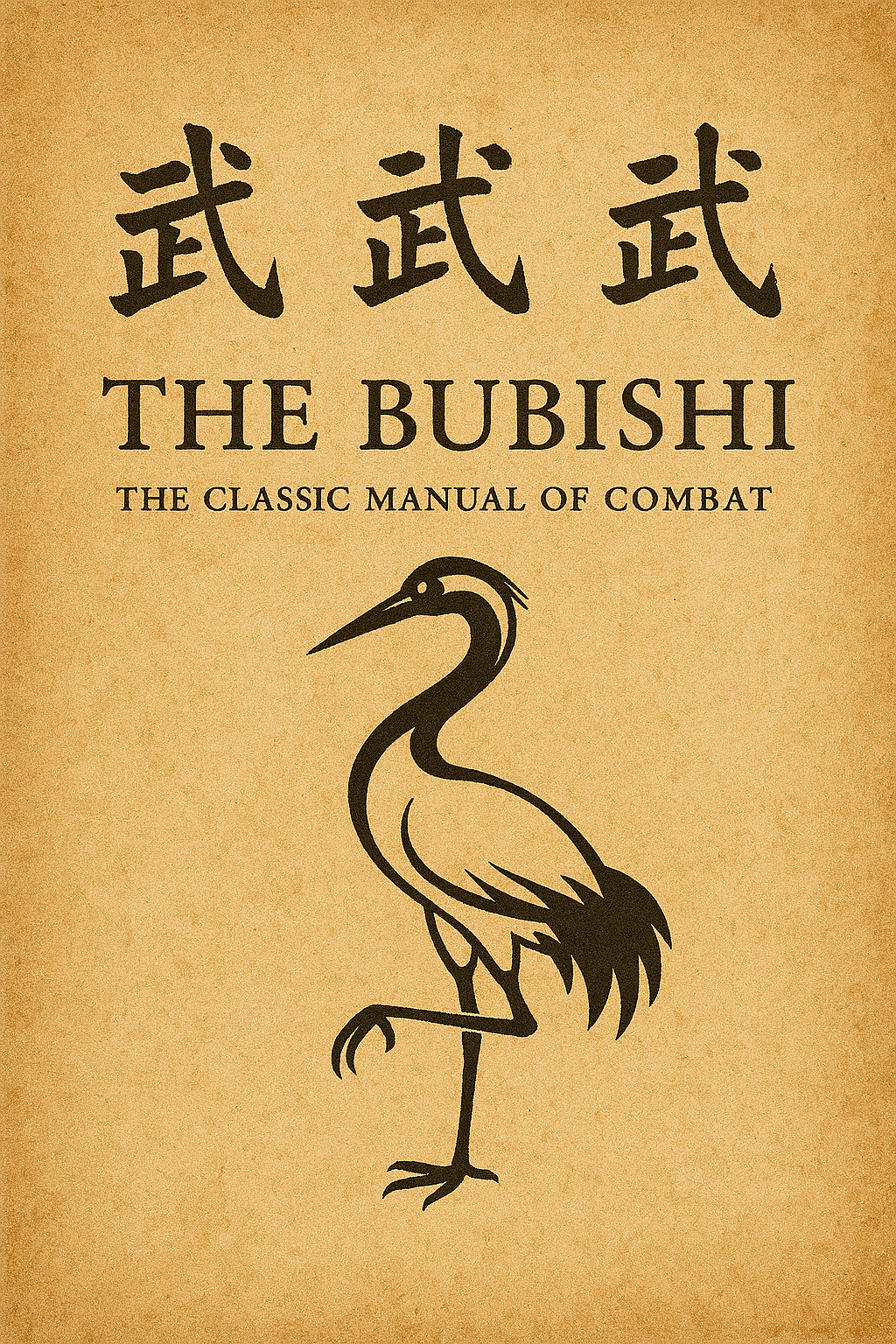
The Bubishi (武備志), sometimes called the "Bible of Karate," is an ancient Chinese text on martial arts and medicine. This text greatly influenced Miyagi's development of Goju-Ryu.

From the Bubishi comes the Eight Precepts of Quanfa (martial arts), the third of which states:

"The way of inhaling and exhaling is hardness and softness"

This precept inspired the name Goju-Ryu and embodies the style's fundamental principle of balancing opposing forces—hard and soft, external and internal, tension and relaxation.

The Bubishi contains not only fighting techniques but also information on:

  • Philosophy and ethics of martial arts
  • Traditional Chinese medicine
  • Vital point striking (kyusho)
  • Herbal remedies for training injuries
  • Fighting strategies and tactics
The Bubishi

The Bubishi - Ancient martial arts text

The Spread of Goju-Ryu

🇯🇵

To Mainland Japan

Miyagi introduced Goju-Ryu to mainland Japan in the 1930s, teaching at universities and demonstrating the art. His students helped spread the style throughout Japan, establishing dojos in major cities and training the next generation of instructors.

🌍

To the West

After World War II, Goju-Ryu spread to the West through various students of Miyagi and their disciples. The style reached the United States in the 1950s-60s, Europe in the 1960s-70s, and eventually Australia and other regions worldwide.

🥋

Global Recognition

Today, Goju-Ryu is recognized as one of the main traditional styles of karate and is practiced by thousands of students worldwide. Its emphasis on both hard and soft techniques has made it one of the most respected martial arts systems.

Formation of GKI (1993)

The Goju-Ryu Karate International was founded in 1993 by Shihan James Rousseau (10th Dan) and Shihan Len Sim (9th Dan).

The Vision

Rousseau and Sim established GKI with a clear mission: to preserve authentic Okinawan Goju-Ryu Karate and create an international organization that would maintain traditional standards while supporting the development of clubs and students across Europe.

Growth and Development

From its founding in 1993, GKI has grown to encompass:

  • Affiliated clubs across multiple European countries
  • A structured grading system maintaining traditional standards
  • Regular international training camps (gasshuku)
  • A comprehensive safeguarding framework
  • Support systems for instructors and clubs
  • A strong community of practitioners dedicated to authentic Goju-Ryu

Our Lineage Today

GKI maintains a direct connection to the teachings of Chojun Miyagi through our Chief Instructor, Sensei James Rousseau, 10th Dan. This ensures that the techniques, kata, and philosophy passed down through generations continue to be taught with integrity and authenticity.

30+ Years of Excellence

For over three decades, GKI has been committed to preserving the true spirit of Goju-Ryu while supporting the growth and development of martial artists across our international network.

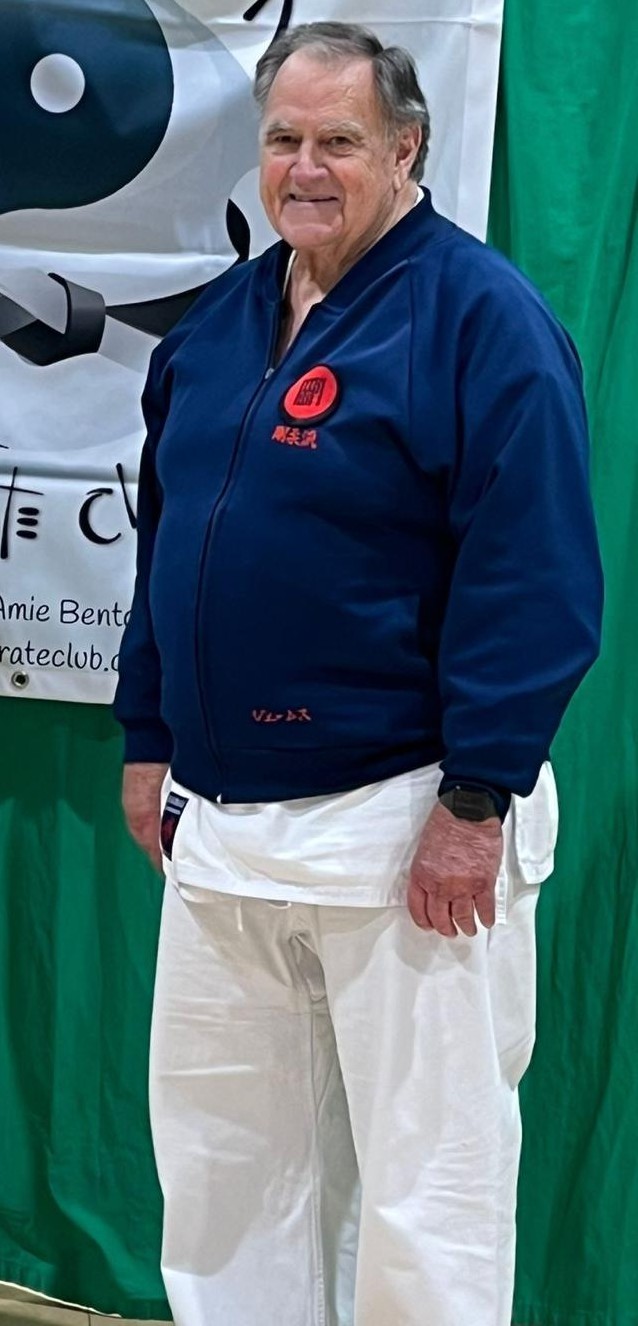
Sensei James Rousseau

Sensei James Rousseau, 10th Dan
Co-Founder & Chief Instructor

Sensei Leonard Sim

Sensei Leonard Sim, 8th Dan
Co-Founder & Chairman

GKI Lineage

Our direct connection to the founder of Goju-Ryu

1

Kanryo Higaonna

1853-1915

"Kensei" (Fist Saint)

2

Chojun Miyagi

1888-1953

Founder of Goju-Ryu

...

Intermediate Generation

Masters who preserved the tradition

Sensei James Rousseau

10th Dan

GKI Chief Instructor (Co-founder 1993)

Sensei Leonard Sim

9th Dan

GKI International Chairman (Co-founder 1993)

GKI Founded: 1993

Founders: Shihan James Rousseau & Shihan Len Sim

Through their respective teachers, our founders maintain authentic connection to Miyagi's teachings

The Eight Poems of the Fist (Kenpo Hakku)

Chojun Miyagi created the "Kenpo Hakku" (Eight Poems of the Fist) to express the philosophy and principles of Goju-Ryu. These eight precepts guide all Goju-Ryu training and practice.

1

The mind is one with heaven and earth

2

The circulatory rhythm of the body is similar to the cycle of the sun and moon

3

The way of inhaling and exhaling is hardness and softness

4

Act in accordance with time and change

5

Techniques will occur in the absence of conscious thought

6

The feet must advance and retreat, separate and meet

7

The eyes do not miss even the slightest change

8

The ears listen well in all directions

Goju-Ryu Today

Today, Goju-Ryu is practiced worldwide by thousands of students. The art continues to preserve the traditional teachings of Miyagi while adapting to modern training environments.

GKI is committed to maintaining the authentic techniques, kata, and philosophy of Goju-Ryu as passed down through our lineage, ensuring that future generations can continue to benefit from this profound martial art.

Our Commitment

  • Preserving authentic Okinawan Goju-Ryu techniques
  • Maintaining traditional training methods and philosophy
  • Supporting the development of skilled instructors
  • Building a strong international community
  • Ensuring the art continues for future generations

Become Part of Our Legacy

Join GKI and connect with over 30 years of authentic Goju-Ryu tradition