Traditional Okinawan Training Equipment
Supplementary training is a part of the Goju-Ryu karate way using traditional Okinawan training devices. These time-tested tools develop strength, conditioning, and proper technique execution.
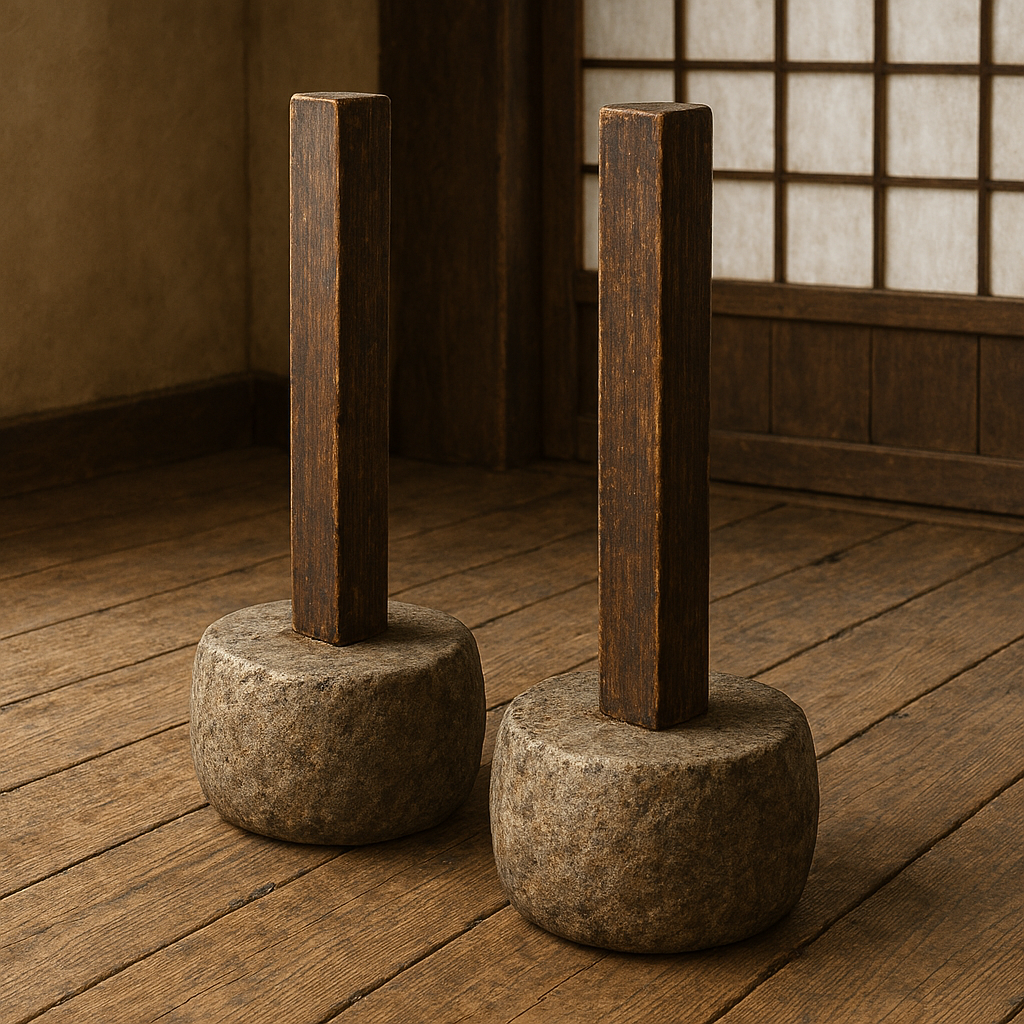
Chishi training
Chishi (Stone Lever Weights)
The chishi is a concrete or stone weight at the end of a wooden handle. It is mainly used to strengthen the grip, as well as the joints of the elbows, wrists and shoulders. The exercises develop the muscles used in blocking, striking and grappling techniques. It also strengthens the arms, shoulders, abdomen and stance for a variety of techniques.
Training Principle: The Chishi is based on the principle of leverage. The leverage of the stone weight at one end of the shaft concentrates the force upon the wrists and isolates the muscles, tendons and joints used in the specific exercise.
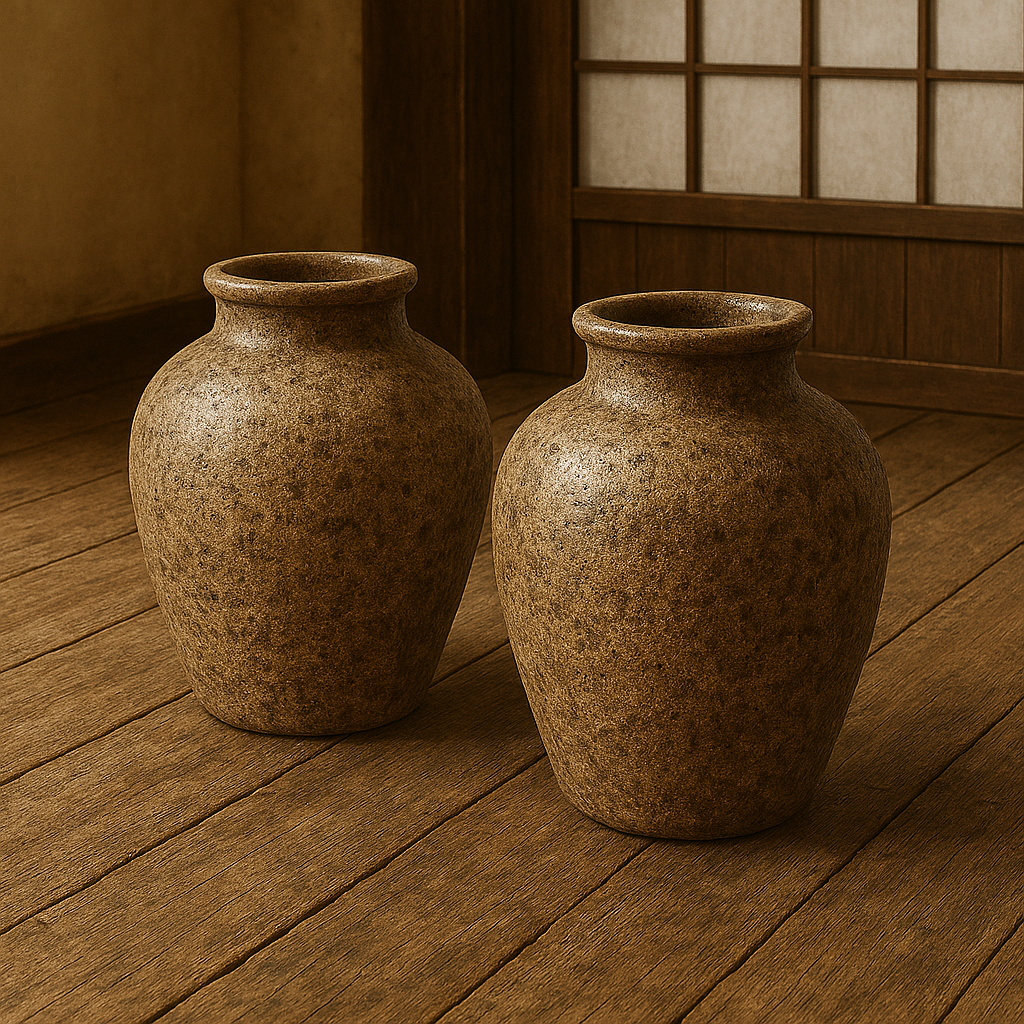
Nigiri-Game training
Nigiri-Game (Gripping Jars)
These are gripping jars, usually made of clay with a rim around the top to grip with the fingers. Sand can be added to increase the weight of the jars. Gripping these jars increases the strength of the fingers for gripping and tearing applications.
Training Method: Stepping forwards and backwards in stances is practised with the emphasis on the shoulders being properly down and pulled back. This develops both grip strength and proper posture simultaneously.
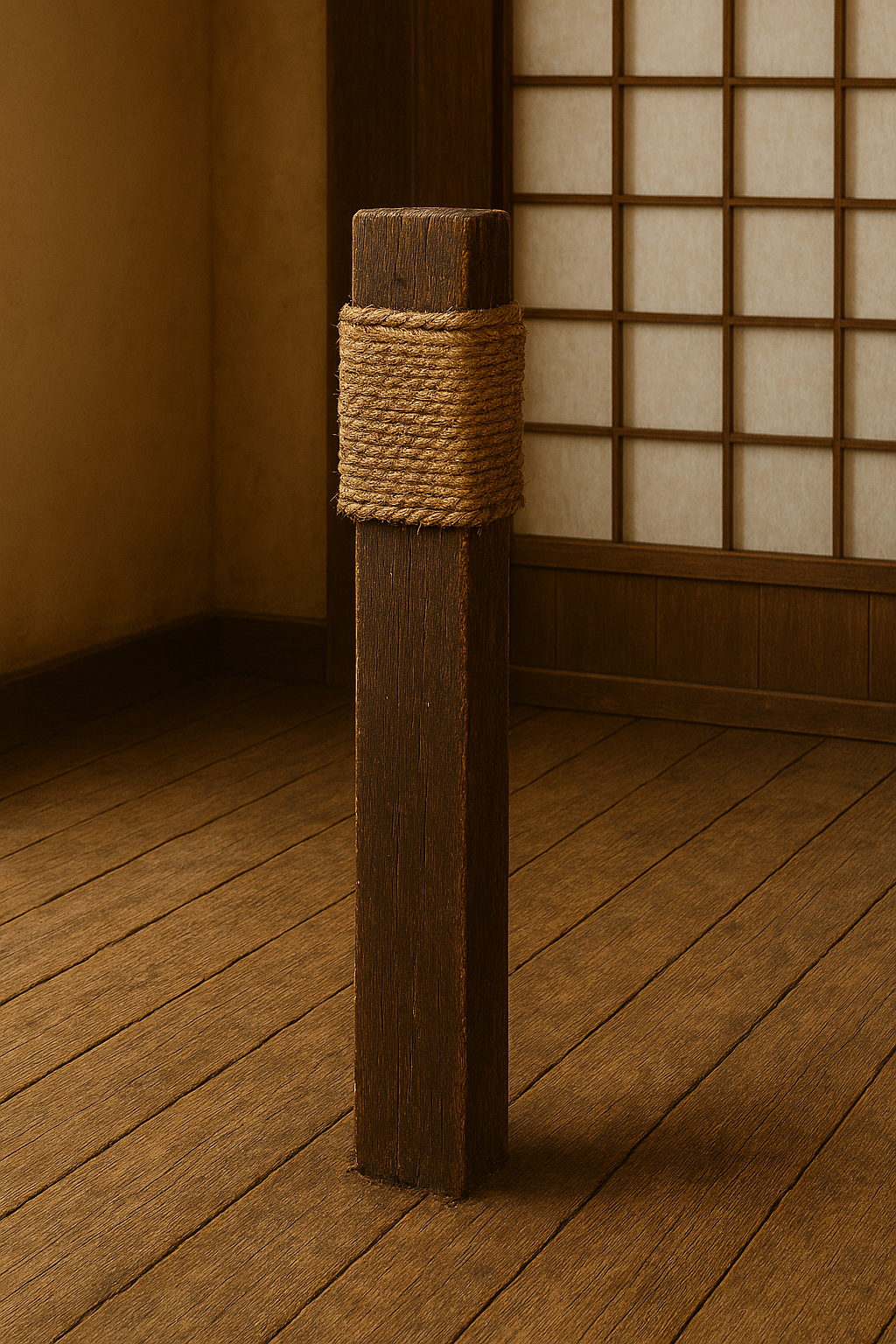
Makiwara training
Makiwara (Striking Post)
A makiwara, the most central tool of Okinawa Goju-Ryu Karate-Do, is a striking post, with a straw, cloth or rubber clad on the contact area. It is constructed of either a combination of 2×4s or a 4×4 tapered off at the top. It is used to condition the striking surfaces of the body and perfect striking techniques and kime.
Common Misconception: It is a common misconception to regard the Makiwara as a tool or device for producing enlarged knuckles and callouses on the fists. The callouses are merely an external indication that makiwara training is taking place. The real value is to the wrists and elbow joints and the fixator muscles of the armpit, chest and back.
Traditional Construction: The makiwara is best made of indigenous Okinawan wood called "shi-ja" or of Japanese red oak.
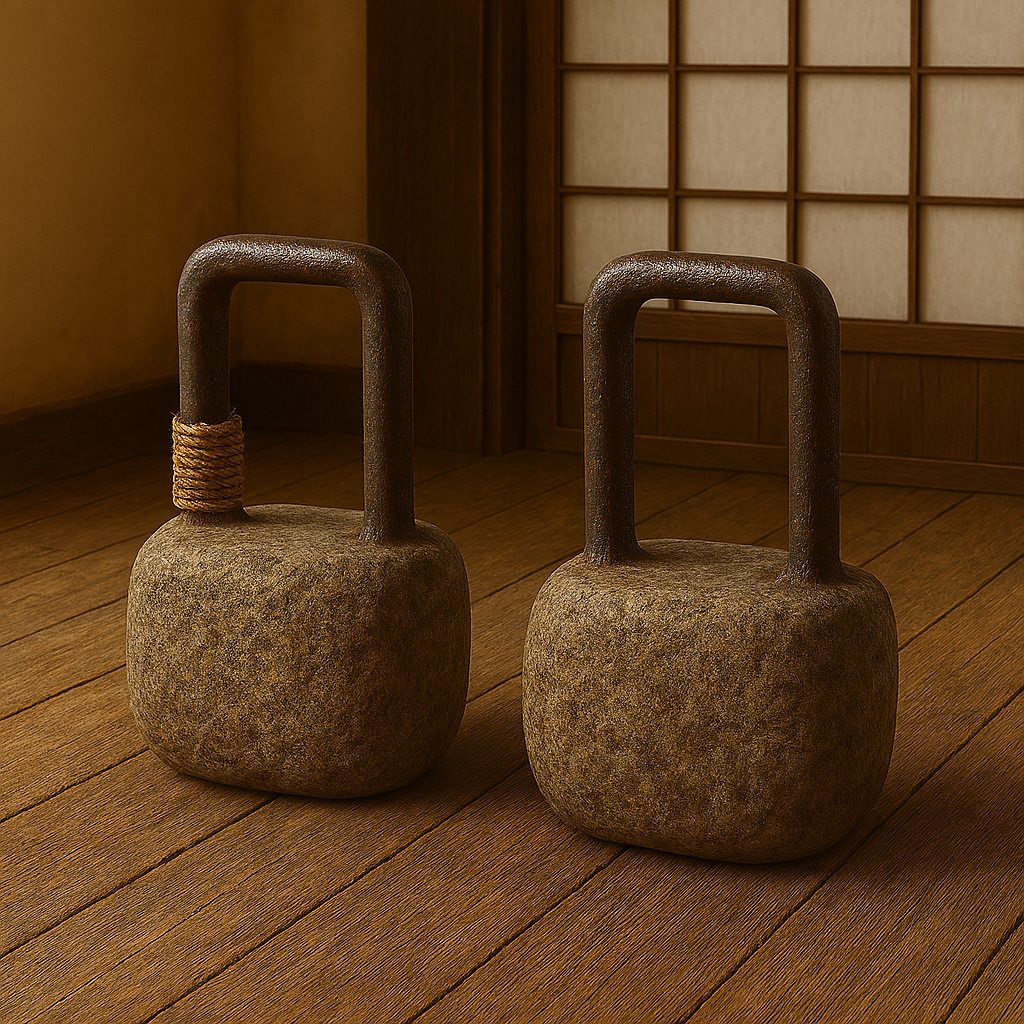
Ishisashi training
Ishisashi (Stone Padlocks)
This is a stone padlock resembling the shape of an old-fashioned clothes iron. It is used for strengthening the arms and wrists and developing powerful punches.
Goju-Ryu Application: The Ishisashi is particularly beneficial to the Goju-Ryu Sanchin kata training, developing the specific strength needed for dynamic tension techniques.
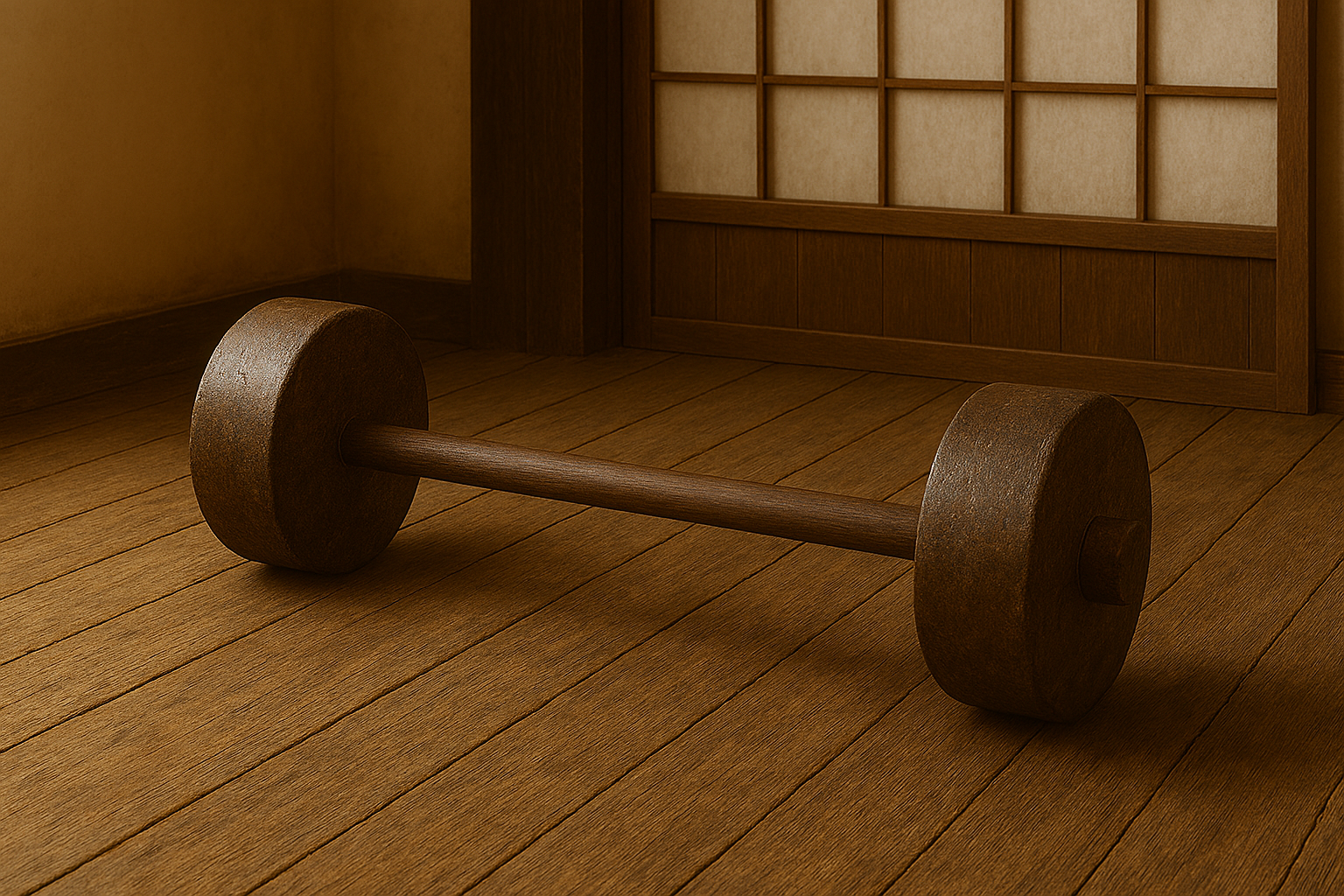
Tan training
Tan (Barbell)
This resembles a barbell, usually made of wood with weights on the ends. It is usually rolled over the forearms and back, or twisted over the hips. It strengthens and conditions the affected areas.
Training Methods: The Tan is also used for conventional weight training exercises, providing versatile conditioning for karate-specific movements.
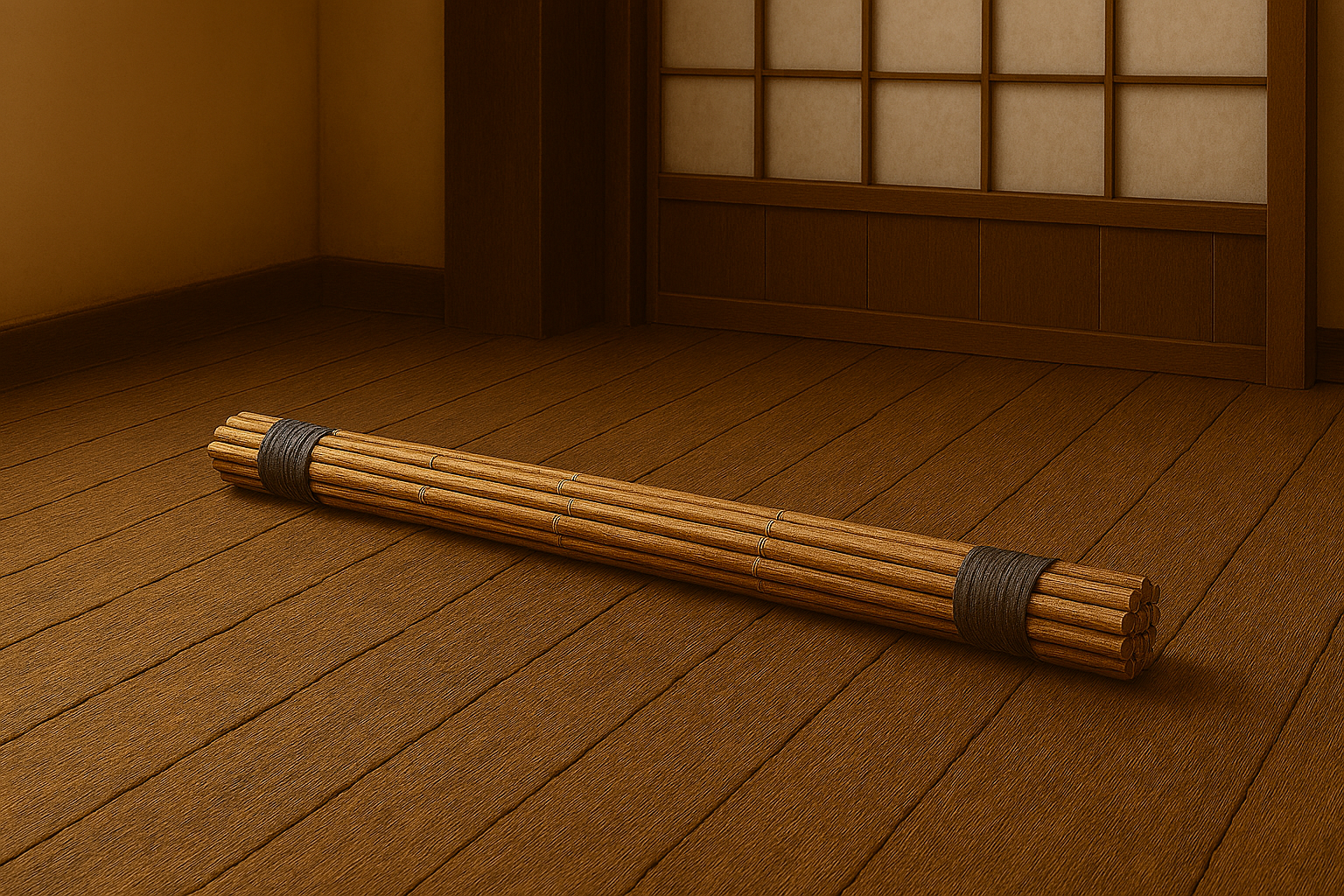
Tou training
Tou (Cane or Bamboo Bundles)
This is a bundle of bamboo sticks taped together at the ends. Before kicking bags were introduced to Okinawa, the Tou fulfilled many of the requirements of the kicking bag.
Training Application: Full power hand and feet techniques are unleashed upon the Tou from static or mobile postures, developing both power and precision.
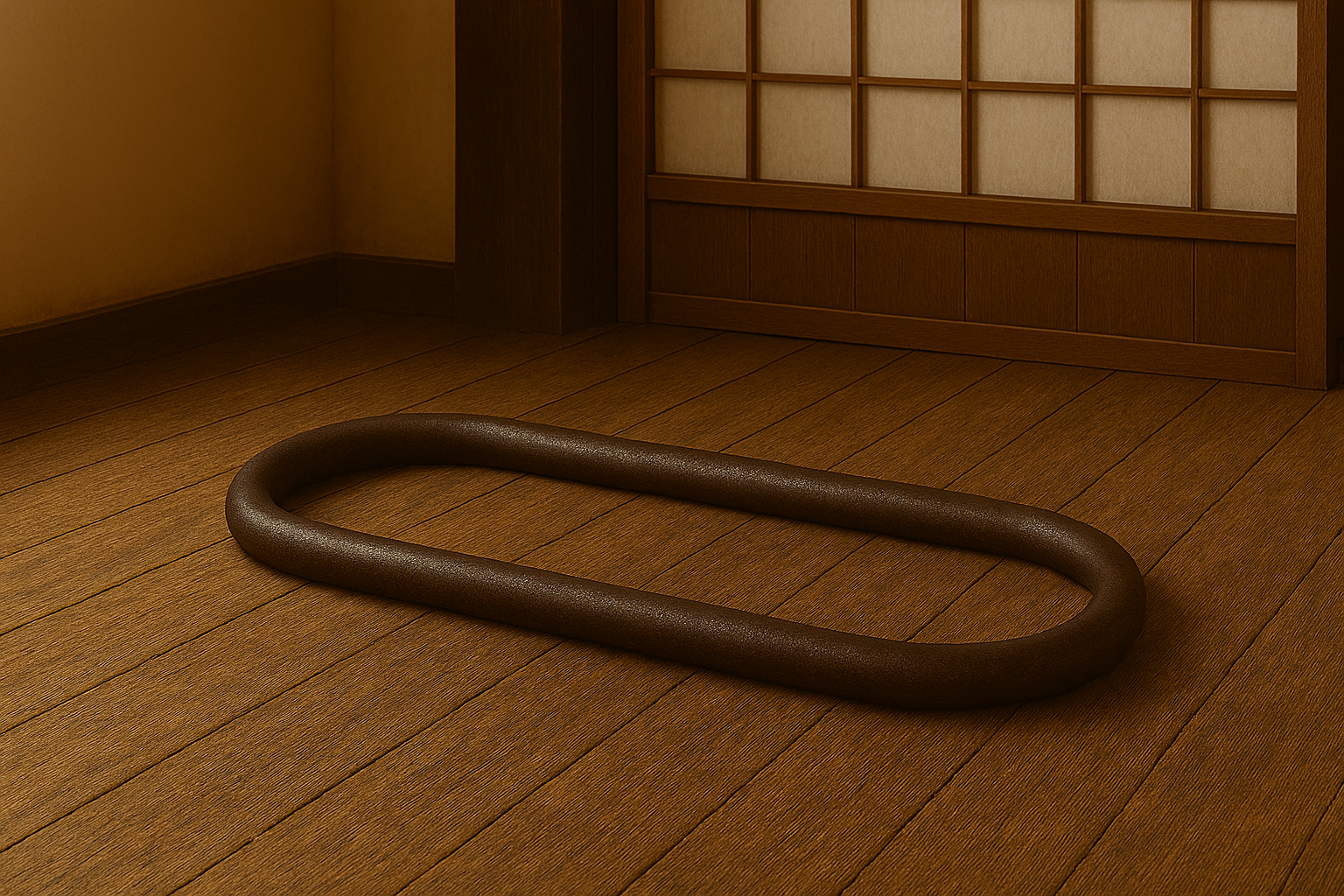
Kongoken training
Kongoken (Oval Metal Weights)
This is a very heavy rectangular hoop, used alone or with a partner. It is used to strengthen the body and condition it for contact. This instrument was developed by Sensei Miyagi and weighs around 70kg.
Miyagi's Innovation: This ring is twisted and pressed around in solo or two-man forms and it is intended to give the feeling of handling the weight of a man so that the offensive balance is understood. This unique training tool exemplifies Chojun Miyagi's deep understanding of strength and conditioning for karate.
Modern Training Equipment
While traditional equipment remains important, modern training tools have been incorporated into Goju-Ryu training to provide additional conditioning and skill development opportunities.
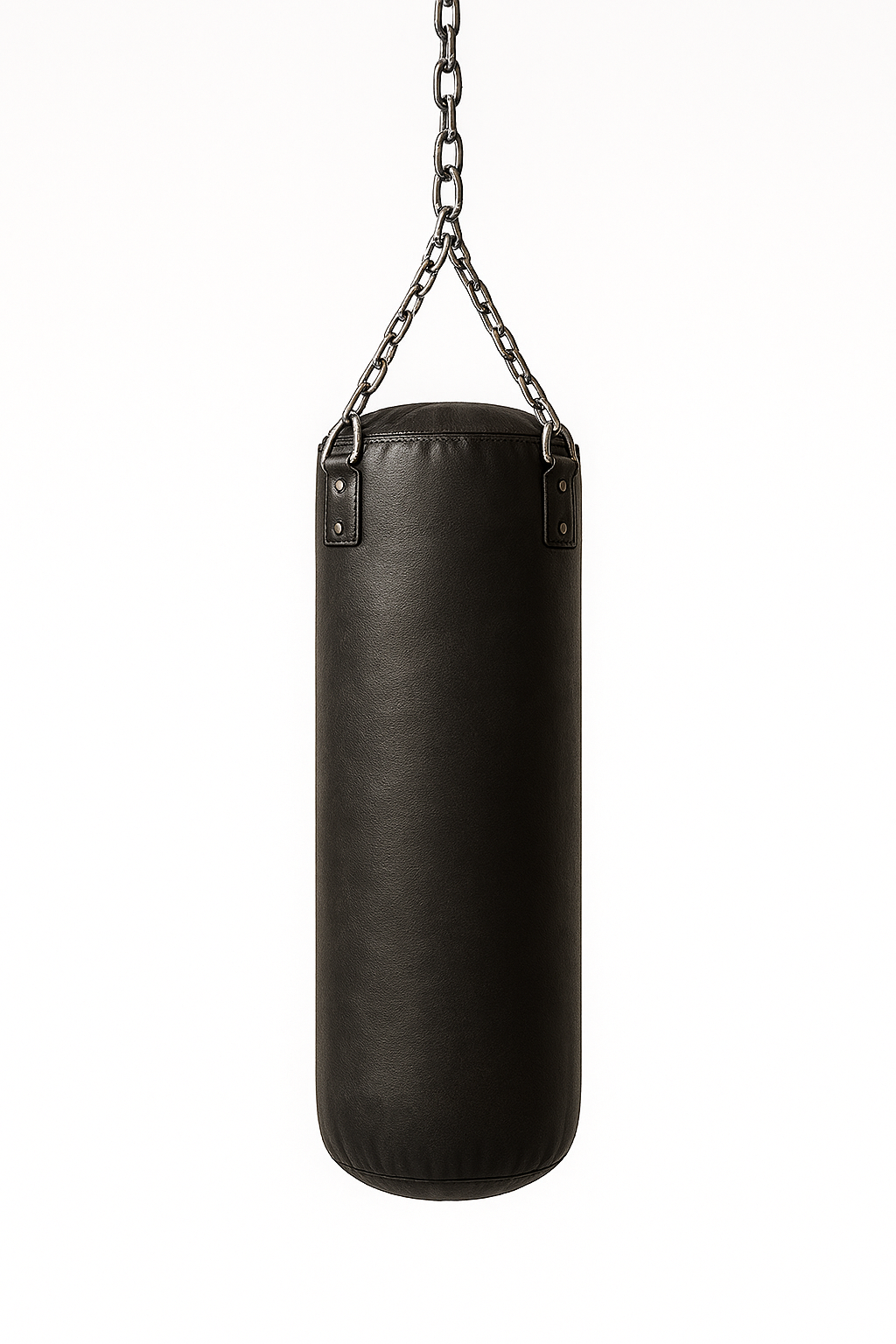
Heavy Bag
The heavy bag is essential for developing power, timing, and combinations. Unlike the makiwara, the heavy bag allows for full-power kicks and moving techniques.
Training Benefits:
- Develops knockout power in strikes and kicks
- Conditions hands, shins, and feet
- Practices combinations and flow
- Builds cardiovascular endurance
- Improves distance judgment
Usage: 2-3 minute rounds with 1 minute rest. Focus on technique first, then add power. Always wrap hands or use bag gloves for hand protection.
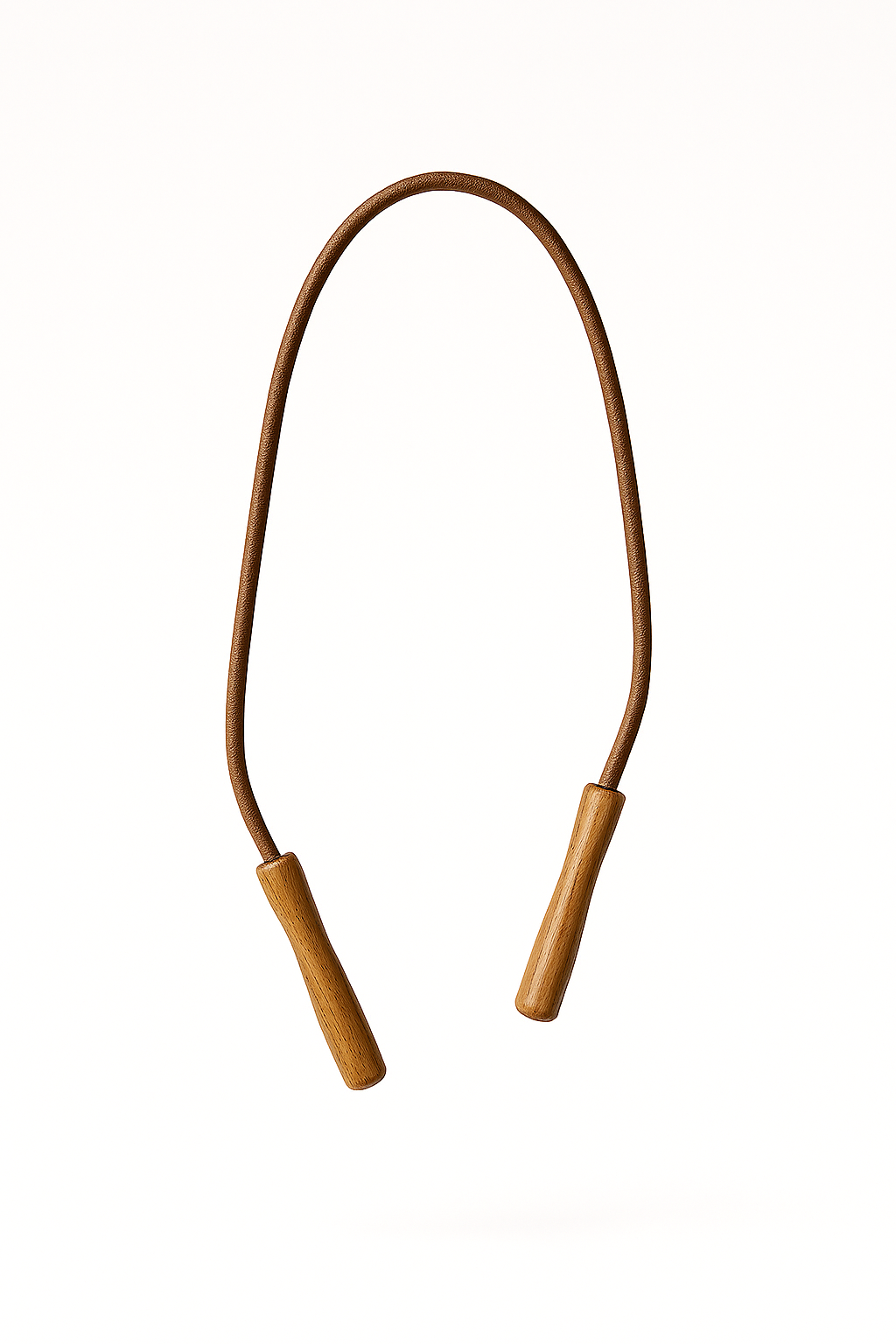
Skipping Rope (Jump Rope)
Skipping develops footwork, coordination, timing, and cardiovascular fitness. It's excellent for warming up and developing the light feet essential for sparring.
Training Benefits:
- Improves footwork and agility
- Develops calf strength and ankle stability
- Builds cardiovascular endurance
- Enhances coordination and rhythm
- Portable and convenient for home training
Usage: 3-5 rounds of 3 minutes with 1 minute rest. Start with basic two-foot bounce, progress to boxer shuffle and more advanced variations.
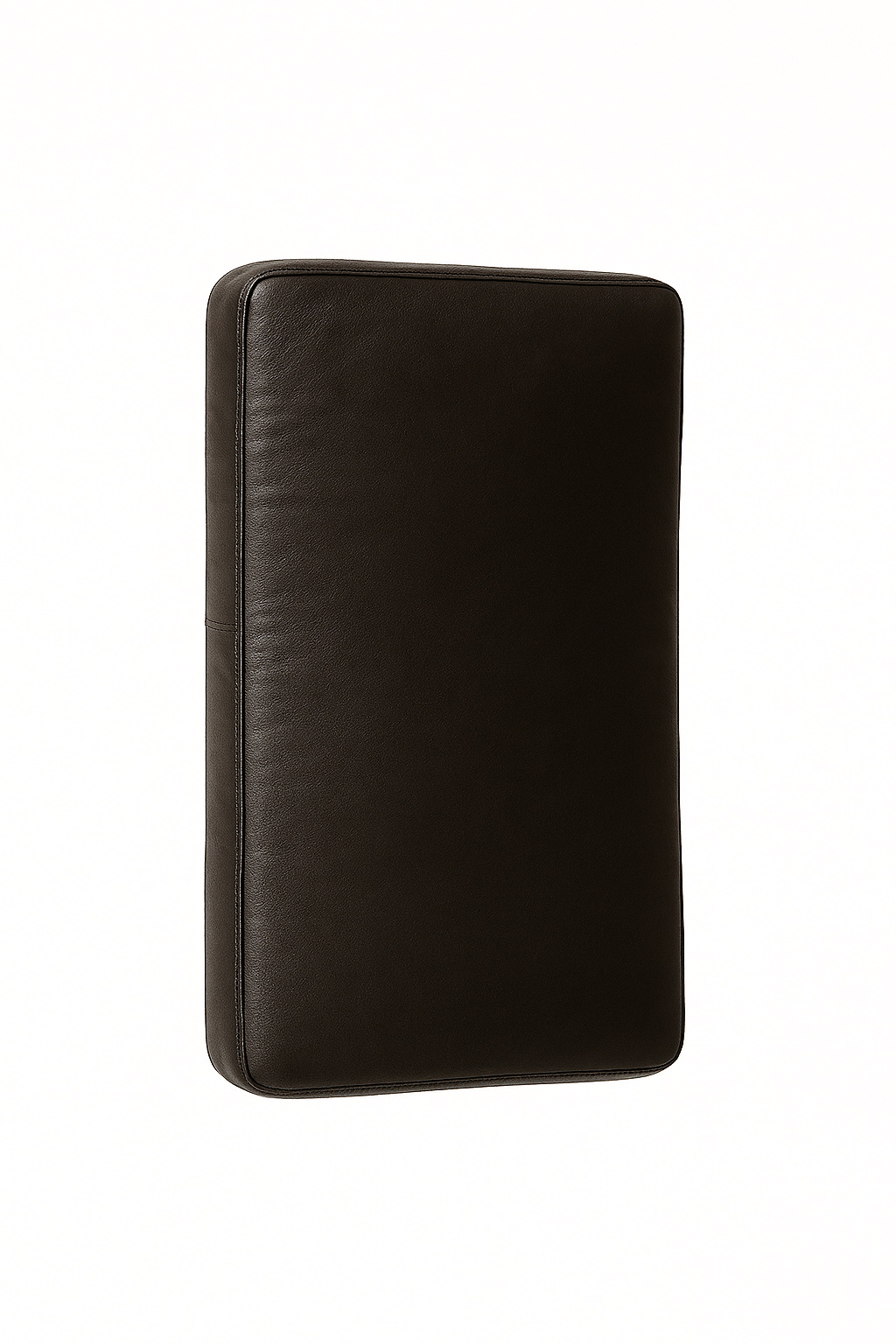
Kick Shields
Kick shields allow students to practice full-power kicks safely with a partner holding the shield. Essential for developing kicking power and proper technique.
Training Benefits:
- Develops maximum kicking power safely
- Provides realistic resistance and feedback
- Allows partner to simulate movement
- Builds leg strength and hip flexibility
- Practices timing and distance
Usage: Partner holds shield at chest height with feet in stable stance. Kicker practices mae geri, mawashi geri, and other kicks with full power. Always communicate with your partner.
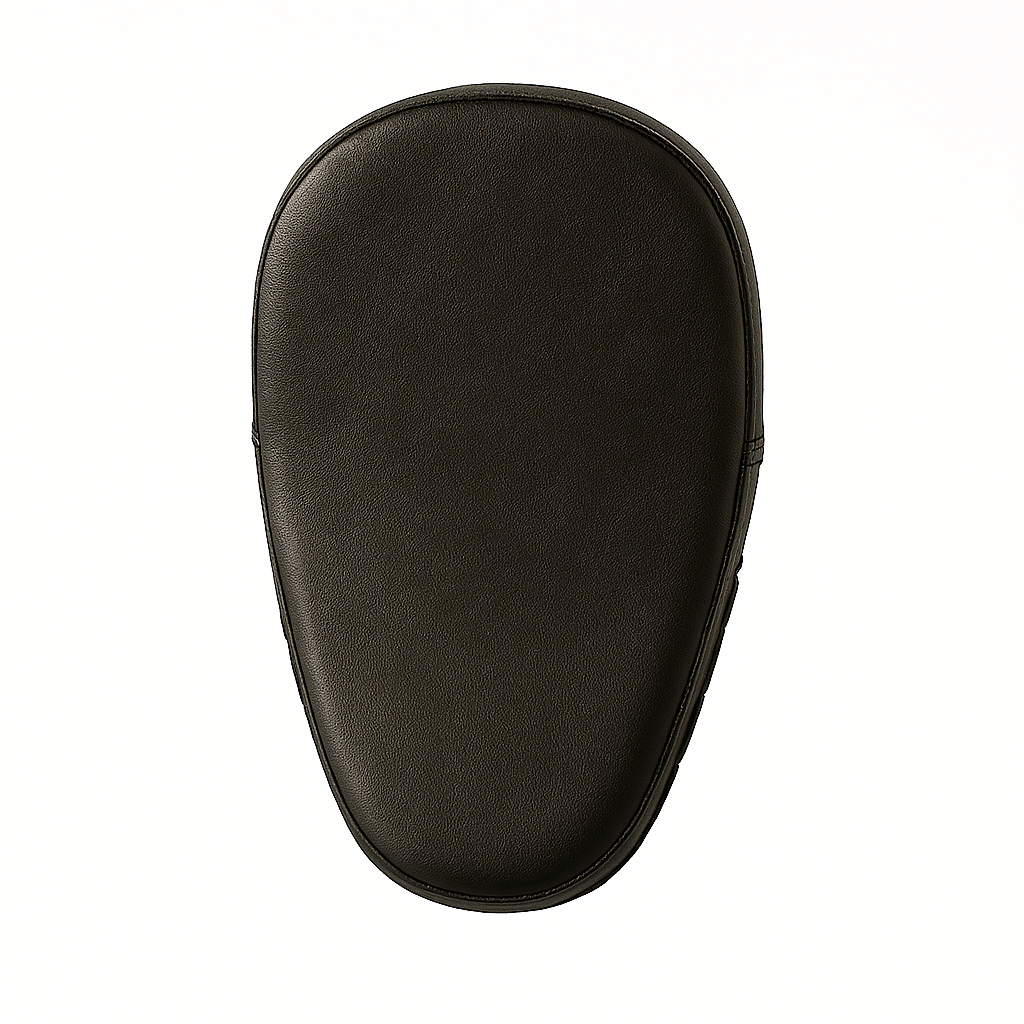
Focus Pads / Hand Pads
Focus pads held by a partner allow for dynamic, moving target training. Develops speed, accuracy, timing, and combinations with immediate feedback.
Training Benefits:
- Improves accuracy and precision
- Develops speed and reaction time
- Practices combinations with moving targets
- Enhances distance control
- Provides realistic training scenarios
Usage: Partner "feeds" targets by calling combinations or moving pads. Start slow focusing on accuracy, then increase speed. Excellent for kumite preparation.